
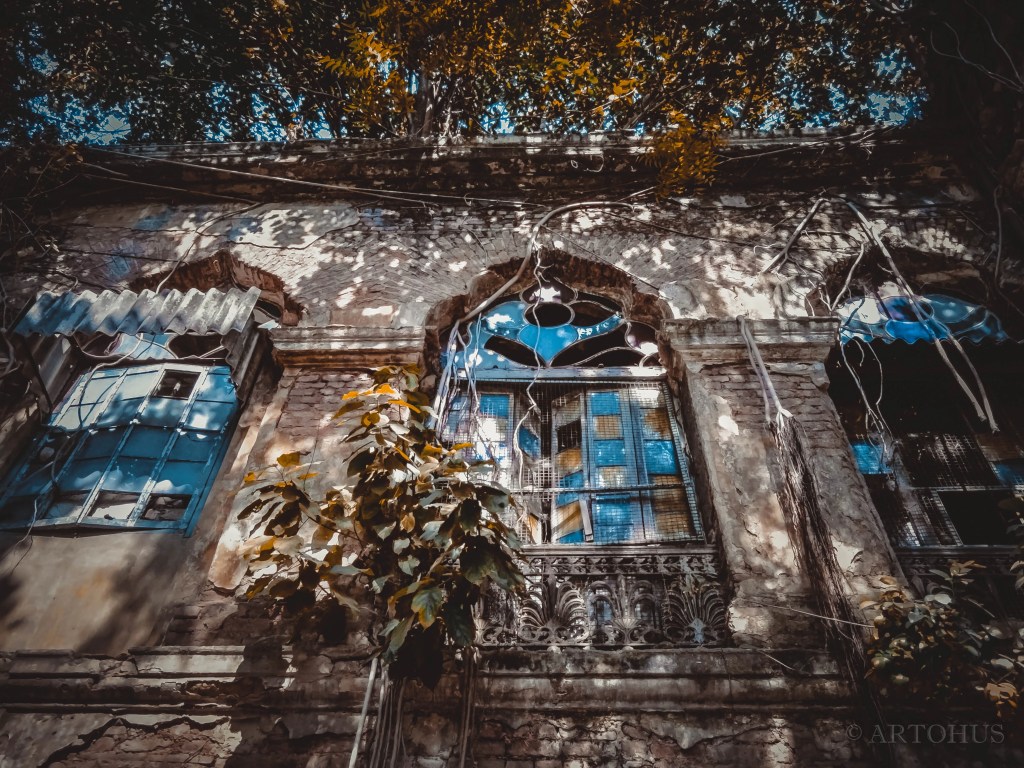
| At a Glance: The Legacy of Basu Bati Location: Bagbazar, North Kolkata. Architect: Nilmani Mitra, the first Bengali civil engineer. Historical Significance: A nerve center for the 1905 Swadeshi Movement; hosted the first Khadi exhibition and the historic Rakhi Bandhan ceremony led by Rabindranath Tagore. Architectural Style: A unique syncretic blend of Hindu motifs, Islamic scalloped arches, and European Doric columns. Key Visitors: Sri Ramakrishna Paramhansa, Nawab Wajid Ali Shah, and Netaji Subhas Chandra Bose (a descendant of the lineage). Current Status: A Grade I Heritage Building currently in a state of ruin; owned by Ambuja Neotia, with restoration plans currently stalled. |
How to Reach
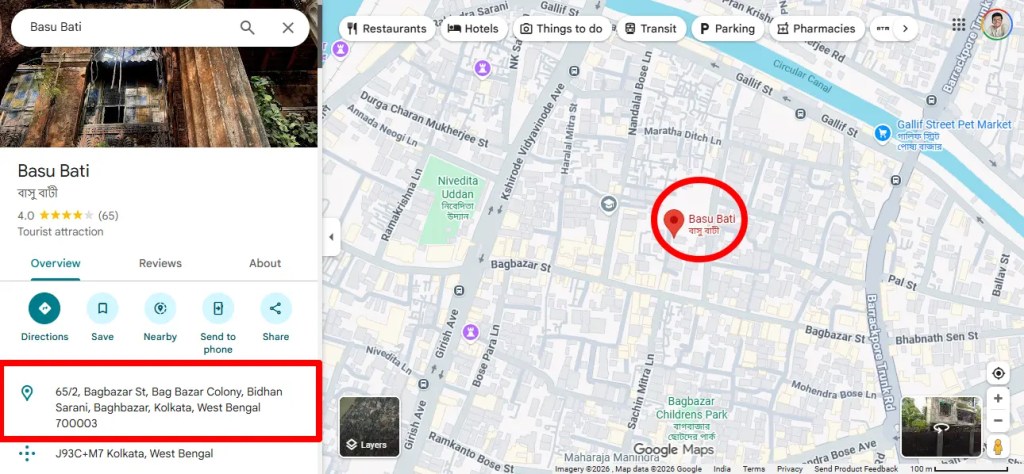
Basu Bati is tucked away in the historic neighbourhood of Bagbazar in North Kolkata.
Note for Visitors: As of 2026, Basu Bati is a private property and is officially marked as a Bipodjonok Bari (Risky Building). Visitors are generally only permitted to view the architecture from the gates.
- Address: 65/2, Bagbazar Street, Kolkata, West Bengal 700003.
- Landmark: Look for the KMC heritage signboard near the intersection of Bagbazar Street and Bidhan Sarani. The mansion is located at the end of a narrow lane, often partially hidden by foliage.
By Metro (Recommended)
- The fastest way to reach is via the Kolkata Metro (Blue Line).
- Nearest Station: Shyambazar Metro Station (approx. 600m away) or Shovabazar Sutanuti Metro Station (approx. 900m away). From either station, you can take a short 10-minute walk or hire a cycle rickshaw.
By Bus
- Several buses ply through the Shyambazar and Bagbazar area.
- Bus Stops: Get down at the Bagbazar Bata or Shyambazar Five-Point Crossing.
- Bus Routes: Look for buses heading towards Bagbazar, such as 12B, 43, 215/1, or any bus passing through Bidhan Sarani.
By Ferry
- For a scenic route, you can take a ferry across the Hooghly River.
- Ferry Ghat: Bagbazar Launch Ghat. From the ghat, it is a pleasant 10-15 minute walk through the old locality to reach the mansion.
By Auto or Rickshaw
- From Shyambazar Five-Point Crossing, you can easily find a shared auto or a traditional hand-pulled/cycle rickshaw. Simply ask for Bagbazar Street Basu Bati.
History often conceals remarkable stories of the past beneath a veneer of ruins. Crumbling façades recall the bygone days of grandeur.
One such example of a royal mansion-turned-ruin is Basu Bati of Bagbazar.
Bagbazar, a renowned locality in North Kolkata and home to several palatial mansions or Bonedi Baris. Basu Bati, a grand mansion of Nanda Lal and Pasupati Bose, is iconic among these North Kolkata heritage houses.
The Rich Lineage of Basu Bati Residents
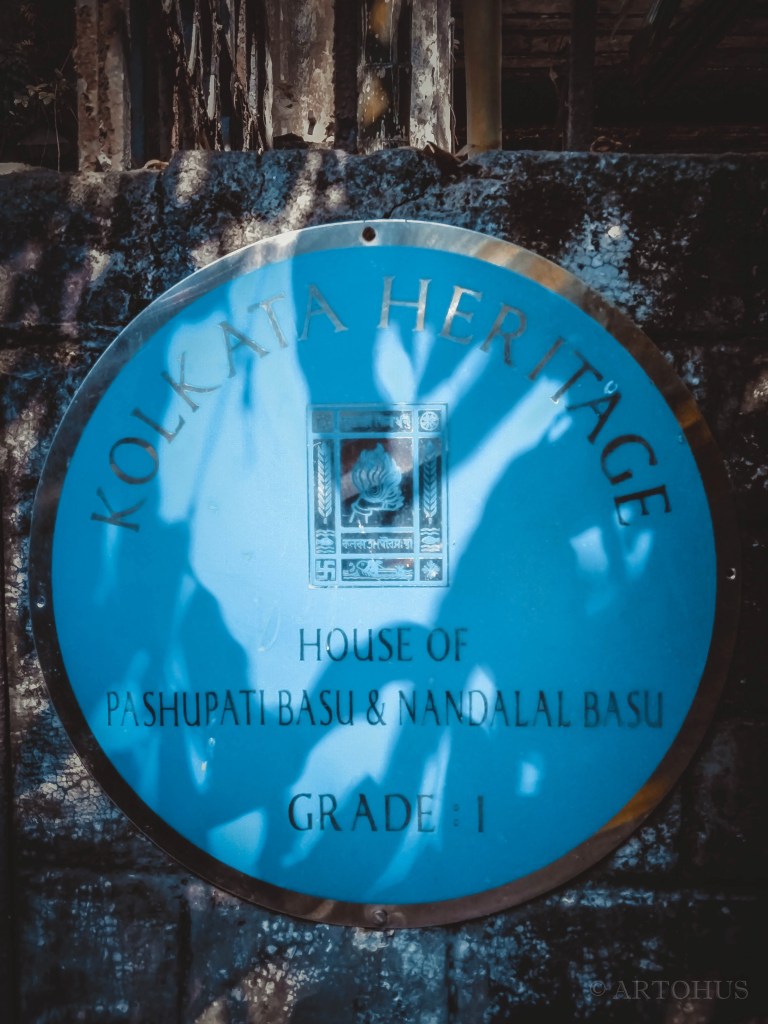
The people associated with Basu Bati have prestigious roots.
Nanda Lal and Pasupati Bose were the 24th generation of descendants of Dasarat Basu, the earliest individual from whom the Basu or Bose surname originates.
Dasarat Basu had three iconic descendants:
- The Sarbadhikari family of Amherst Street
- Indian freedom fighter Subhas Chandra Bose, or Netaji
- Amar Gopal Bose, founder of Bose Corporation
The other descendants and residents of Basu Bati were also connected to illustrious members of the society that made the estate a site of rich culture and heritage.
Basu Bati: An Example of Architectural Magnificence
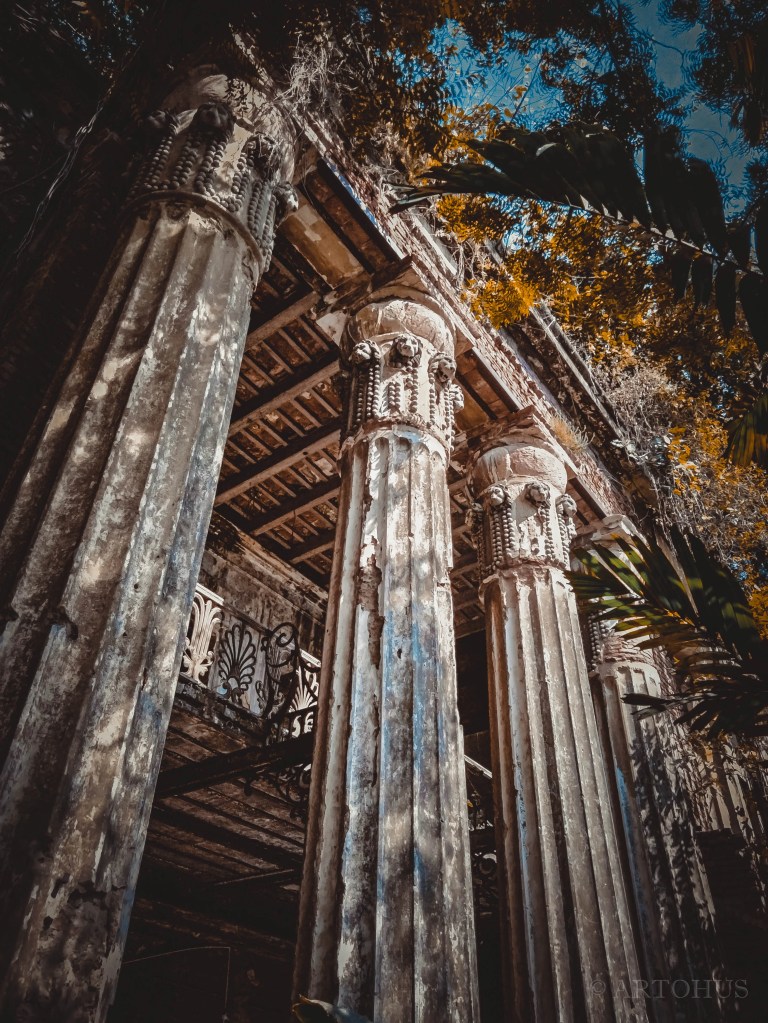
Nilmani Mitra is the architect of Basu Bati. He is famously remembered as the first Bengali to qualify as a civil engineer.
This old mansion, built in 1876, resembles many common palaces of the time, such as the grand thakurdalan or courtyard (meant for Durga Puja and other festivities), baithakkhana or drawing room, and andarmahal or inner house.
However, some distinct architectural elements stand out and deserve deeper study. Some of them are mentioned below:
- The confluence of Hindu and Islamic influences: The interior columns have Hindu temple influences. The arches are scalloped and Islamic in style. The outer Doric columns have a Greek and Roman influence.
- The variety of elements used: The capitals in the south-facing columns have lion-heads with a parallel string of beads. The capitals on the first floor are European floral patterns, while those on the ground floor are stucco beads. Even the arches show a lot of variety.
- The diversity of stucco, motifs, and panels: Lotus motifs abound in the mansion, found in capitals, walls, and floor tiles. Several stucco medallions in the thakurdalan showcase Hindu religious and mythological figures. Several doors have unique coloured and patterned glass panels.
- The beauty of Kalighat Patachitra paintings: Inside the thakurdalan, we can find panels of Kalighat patachitra paintings, signifying a rich appreciation of art. The paintings depict scenes from the Ramayana and the Mahabharata.
- A skylight: Above the wooden staircase is a skylight, quite unusual for a Bengali household.
- Tasteful paintings: Artist Bamapada Banerjee’s paintings adorn the walls of Basu Bati.
All of these elements show rich architectural and cultural taste.
Basu Bati: A Site of Historic Moments
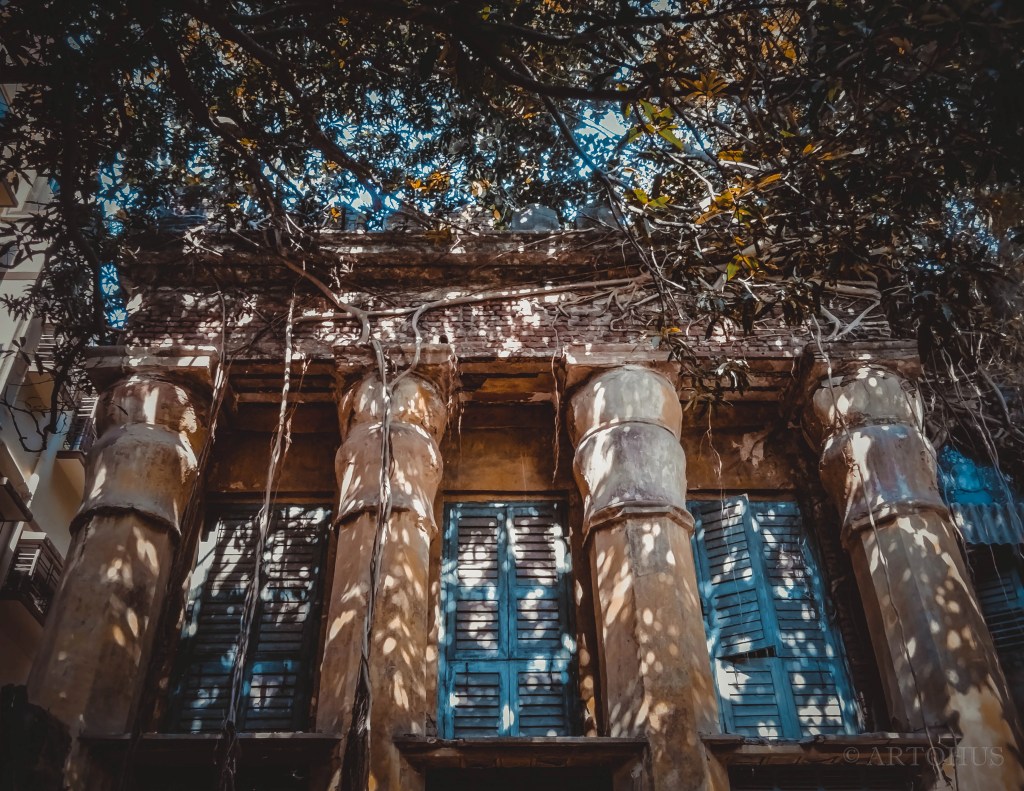
Basu Bati recorded some significant moments in history.
Below are some of the important historical events that took place at the grand estate:
- Renowned religious reformer Ramakrishna Paramhansa visited Basu Bati several times.
- As connoisseurs of theatre, the Basus opened their house to theatre practitioners of Star Theatre.
- Basu Bati was one of the only homes to have been visited by Nawab Wajid Ali Shah, the last king of Oudh, exiled in Garden Reach. He visited the mansion to watch Girish Chandra Ghosh’s play Pandava Gourav or Glory of the Pandavas.
- Basu Bati played an integral role in the Indian Independence Movement. In July 1905, Lord Curzon announced the partition of Bengal into Muslim-dominated East and Hindu-dominated West. As a symbol of Hindu-Muslim unity, Rabindranath Tagore led a procession that ended in Basu Bati with a rakhi tying ceremony. Bengali Hindus and Muslims tied the sacred thread in each other’s hands. This historic moment became the origin of the rakhi ceremony we see in today’s Bengal.
- Basu Bati played an important part in the Swadeshi Movement, where Indians rejected foreign goods in favour of Indian ones. A national fund created to promote Indian-based industry amounted to INR 50,000. In a challenge to the produce from Lancashire mills, Basu Bati hosted Bengal’s first khadi or homespun cloth exhibition.
- Basu Bati also showed its patriotic spirit by hosting prominent personalities like Surendra Nath Banerjee for lectures. Conferences during the Bengal Partition Movement or Banga Bhanga Andolan also took place here.
The Present Status of Basu Bati
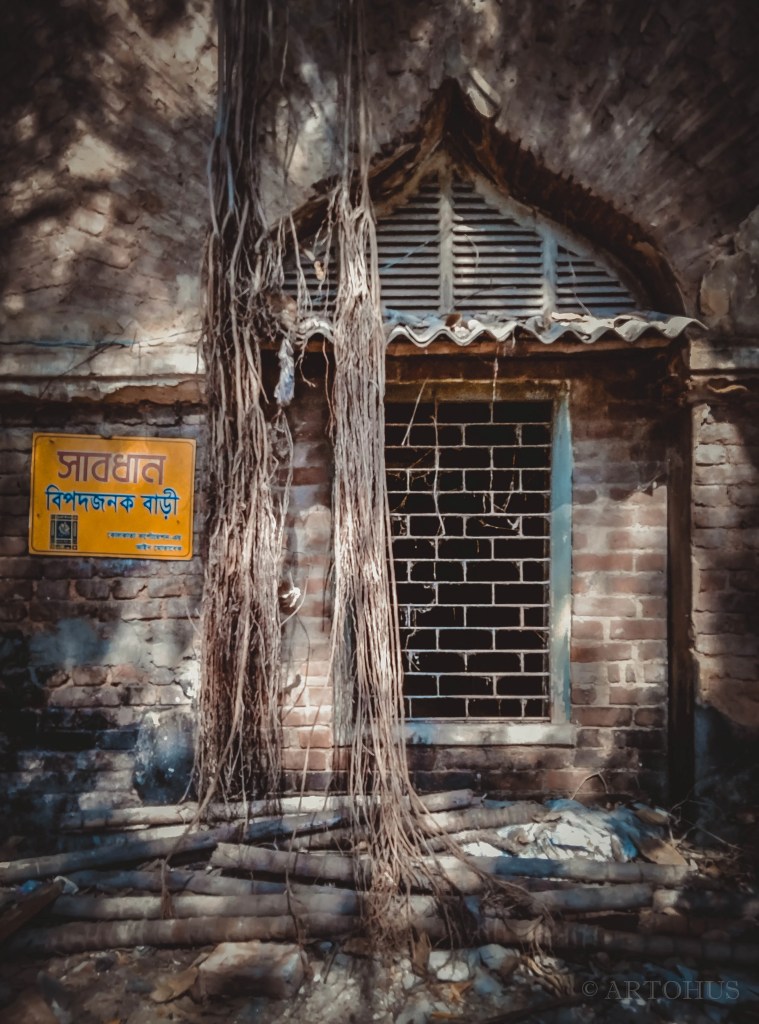
Basu Bati is a Grade I heritage building. It’s also a Bipodjonok Bari or risky building, as a warning sign outside it states.
Basu Bati was split in 1956 with the West Bengal government under Dr. Bidhan Chandra Ray purchasing the eastern half of the courtyard and the northern andarmahal, while the western half remained with the Basu descendants.
Harshvardhan Neotia’s Ambuja Realty planned to turn Basu Bati into a heritage hotel, and Ambuja Neotia took possession of the thakurdalan in 2007. However, complications have stalled the project for now.
Basu Bati, at present, is a private property owned by the Neotias.
Final Words
Basu Bati is a reflection of Bengal’s rich syncretism and symbolizes the intersection of history, heritage, and culture found across the region.
It’s sad that all that remains of the legacy is a heap of ruins. However, hopefully, recognizing the unique heritage of Basu Bati will motivate the right decision makers to preserve this icon of the glorious past of Bengal.
Have you visited Basu Bati in Bagbazar?
Frequently Asked Questions (FAQ)
Who built the Basu Bati in Bagbazar?
Basu Bati was built by the brothers Nanda Lal Bose and Pasupati Bose in the late 19th century. They were prominent members of the North Kolkata aristocracy and descendants of the iconic Dasarat Basu lineage.
Why is Basu Bati architecturally unique?
Designed by Nilmani Mitra, the mansion is a rare example of syncretic architecture. It blends Hindu temple-style columns, Islamic scalloped arches, and European Doric columns. It is also one of the few Bengali homes of that era to feature a skylight over a wooden staircase and authentic Kalighat Patachitra murals on its walls.
What was Rabindranath Tagore’s connection to Basu Bati?
In July 1905, during the protests against the Partition of Bengal, Rabindranath Tagore led a massive procession that culminated at Basu Bati. It was here that the historic Rakhi Bandhan ceremony took place, where Hindus and Muslims tied threads on each other’s wrists as a symbol of communal unity.
Can tourists visit Basu Bati today?
Currently, Basu Bati is a private property owned by the Ambuja Neotia group. While the exterior and the Bipodjonok bari (dangerous building) signs are visible from the street in Bagbazar, the interior is not officially open as a public museum or hotel at this time due to ongoing preservation challenges.
Is Basu Bati related to Netaji Subhas Chandra Bose?
Yes. The residents of Basu Bati share the same ancestral roots as Netaji Subhas Chandra Bose. Both families are descendants of Dasarat Basu, making the mansion a significant site for those tracing the history of the Bose (Basu) lineage in Bengal.
Sources
- https://double-dolphin.blogspot.com/2017/07/basu-bati-bagbazar-calcutta-kolkata.html
- https://amitabhagupta.wordpress.com/2014/08/08/ruined-heritage-of-a-gloried-past/
- https://www.getbengal.com/details/the-magnificent-fa%C3%A7ade-of-basu-bati-reminds-us-of-a-lost-heritage-getbengal-story
- https://www.peepultree.world/livehistoryindia/story/heritage-matters/basu-bati-a-timeless-legacy-of-bengali-heritage?srsltid=AfmBOor6CjzvYdfY5Ym9-wK3YoGP0Zd7KsACzcByE7HrS3lKMKOJkQDV
- https://www.telegraphindia.com/my-kolkata/places/heritage-mansion-basu-bati-in-kolkatas-bagbazar-dying-a-slow-death/cid/1847942

Leave a comment